



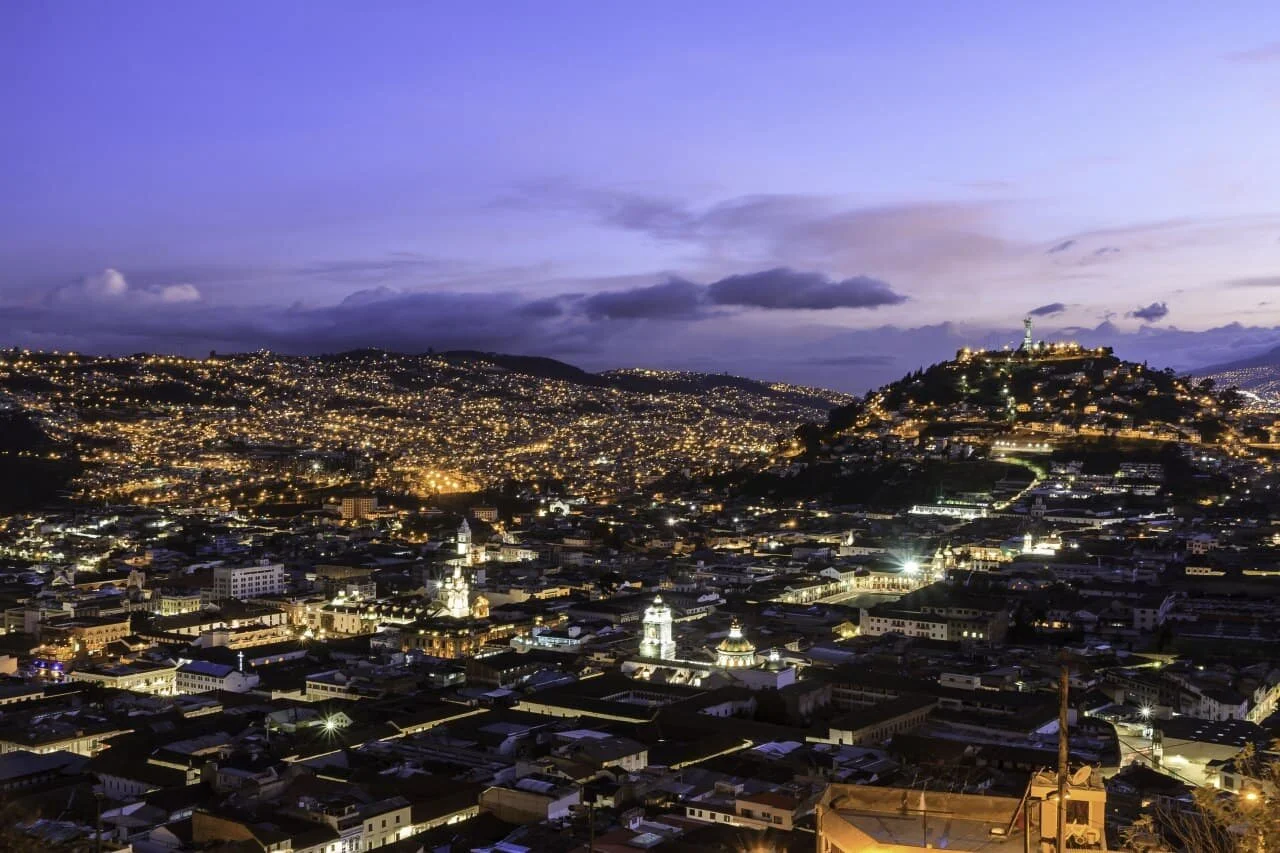
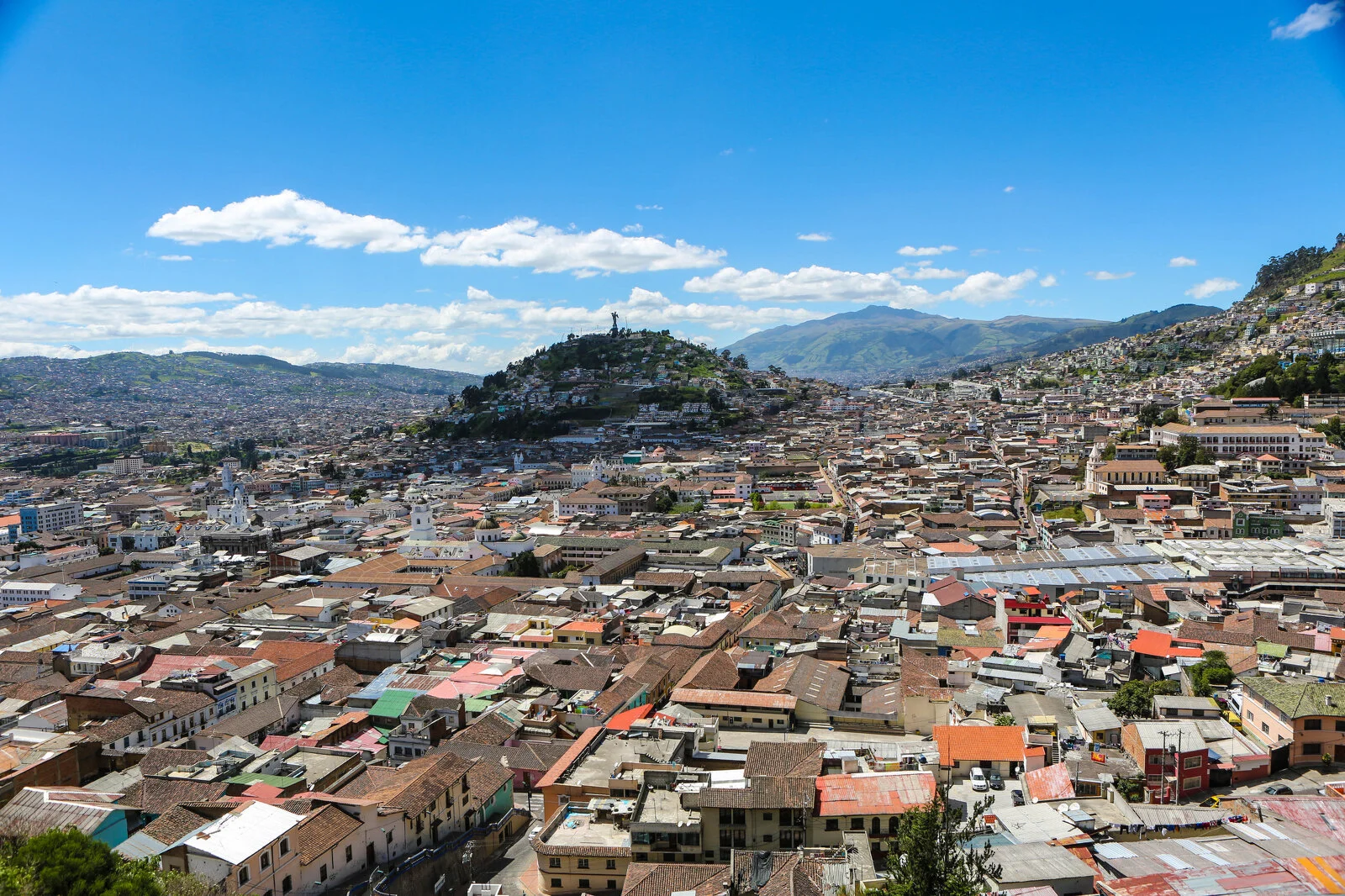
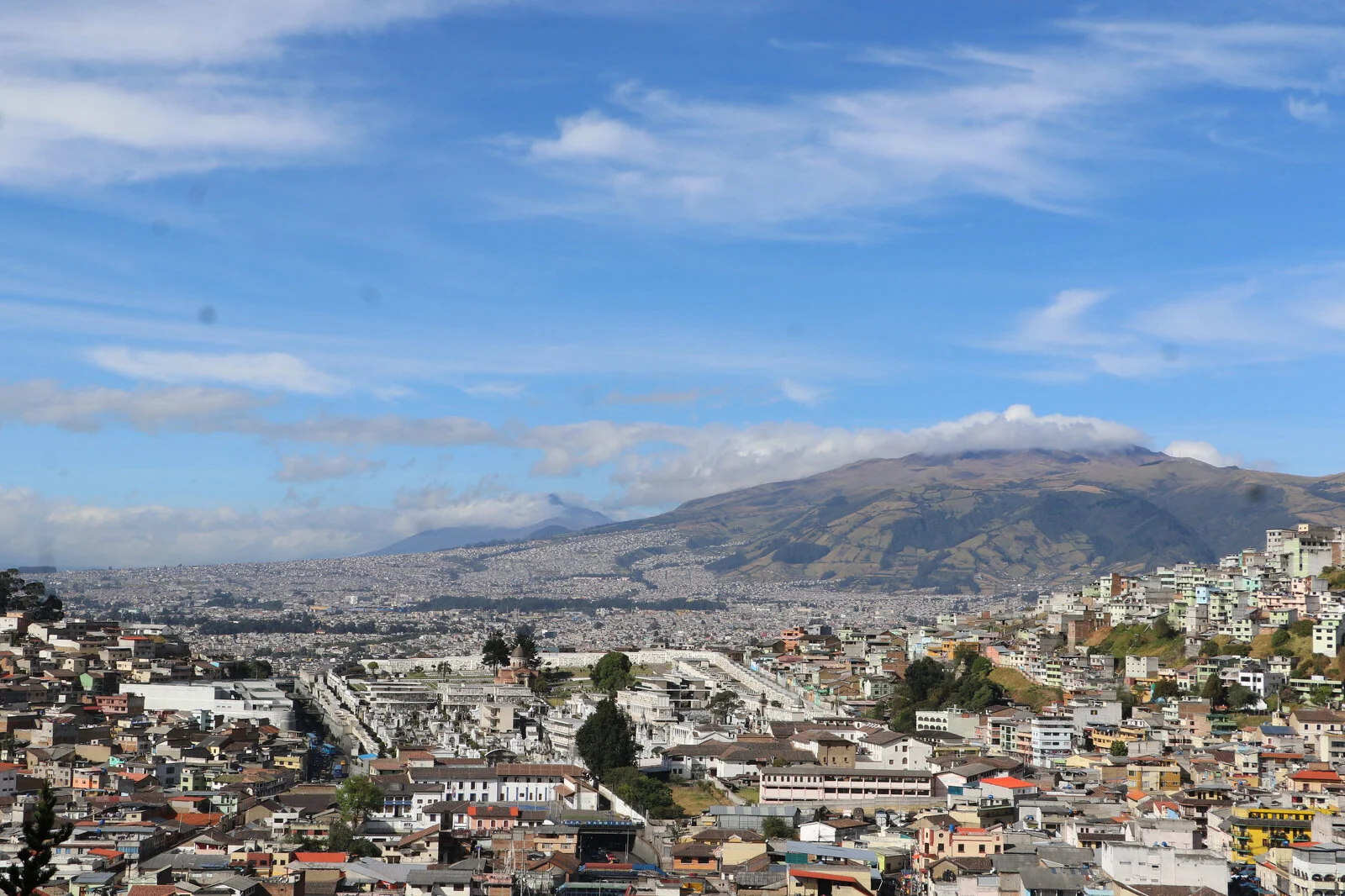
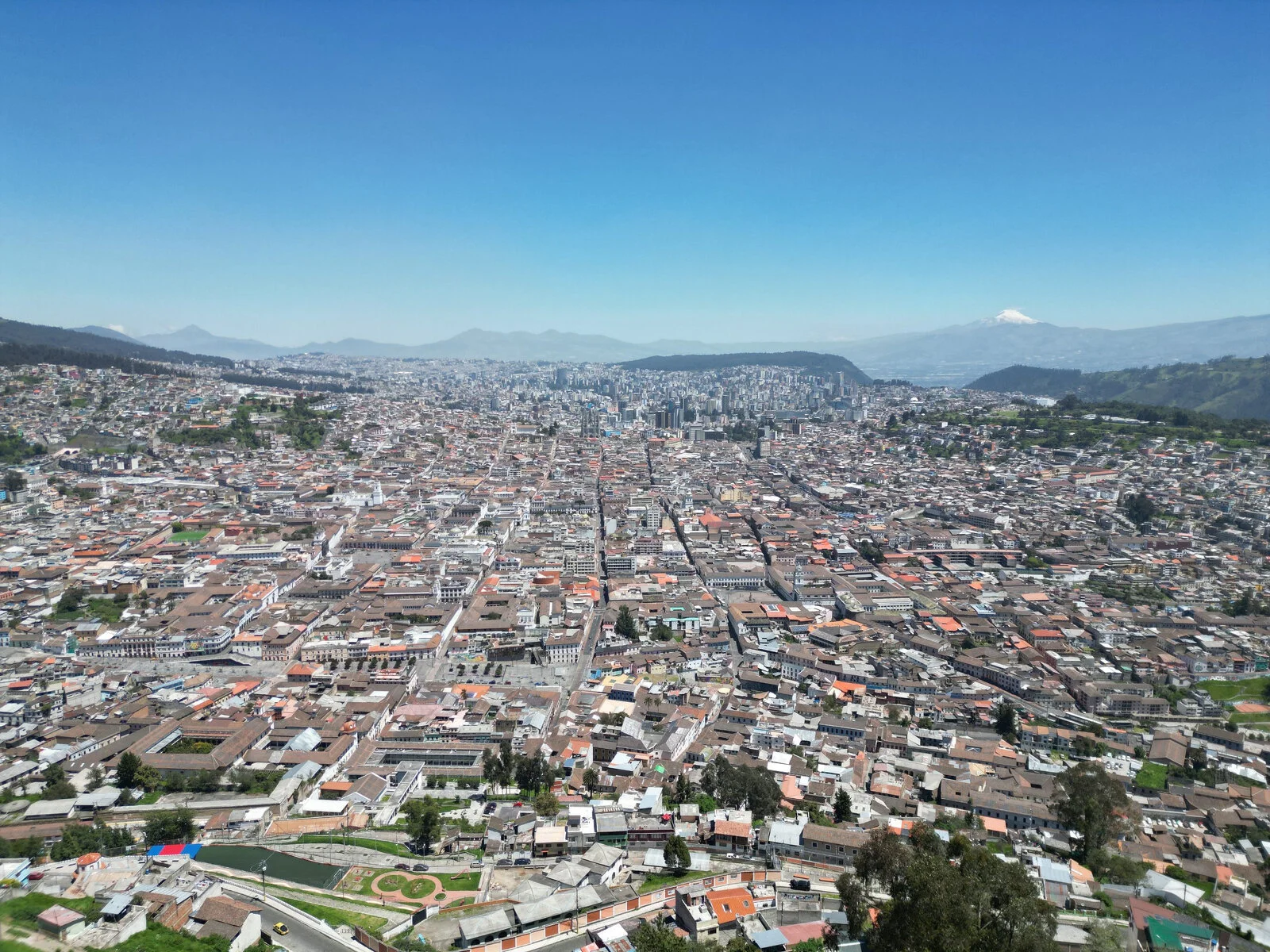
Quito, the capital of Ecuador and the first city ever declared a UNESCO World Heritage Site, is known as the “Light of America” for its role in Latin America's independence movements. Located among volcanoes, it is home to 2.8 million people, the Chocó Andino Biosphere Reserve, and blends cultural diversity, modernity, and a strong sense of resilience.
2.8 million
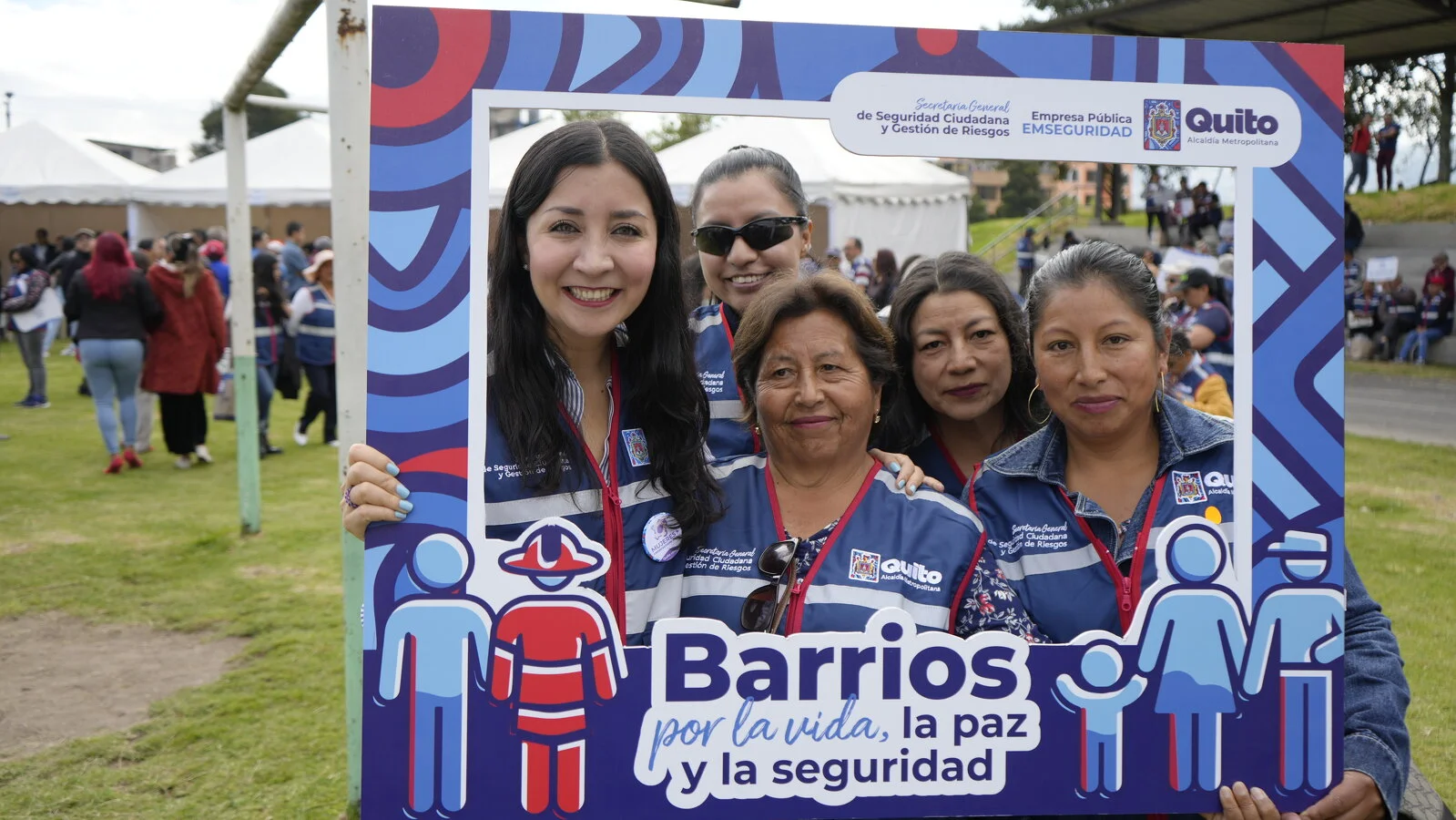
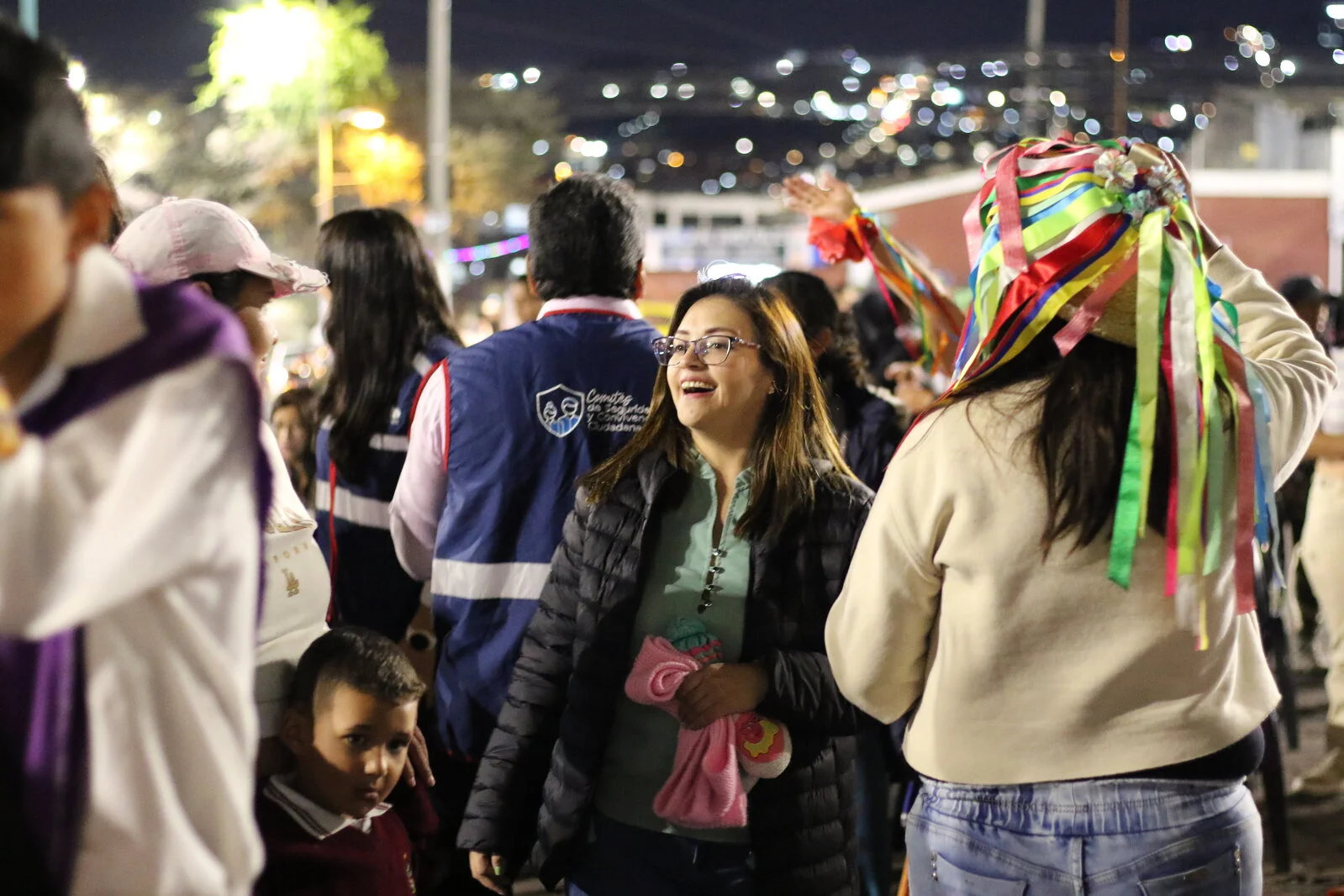
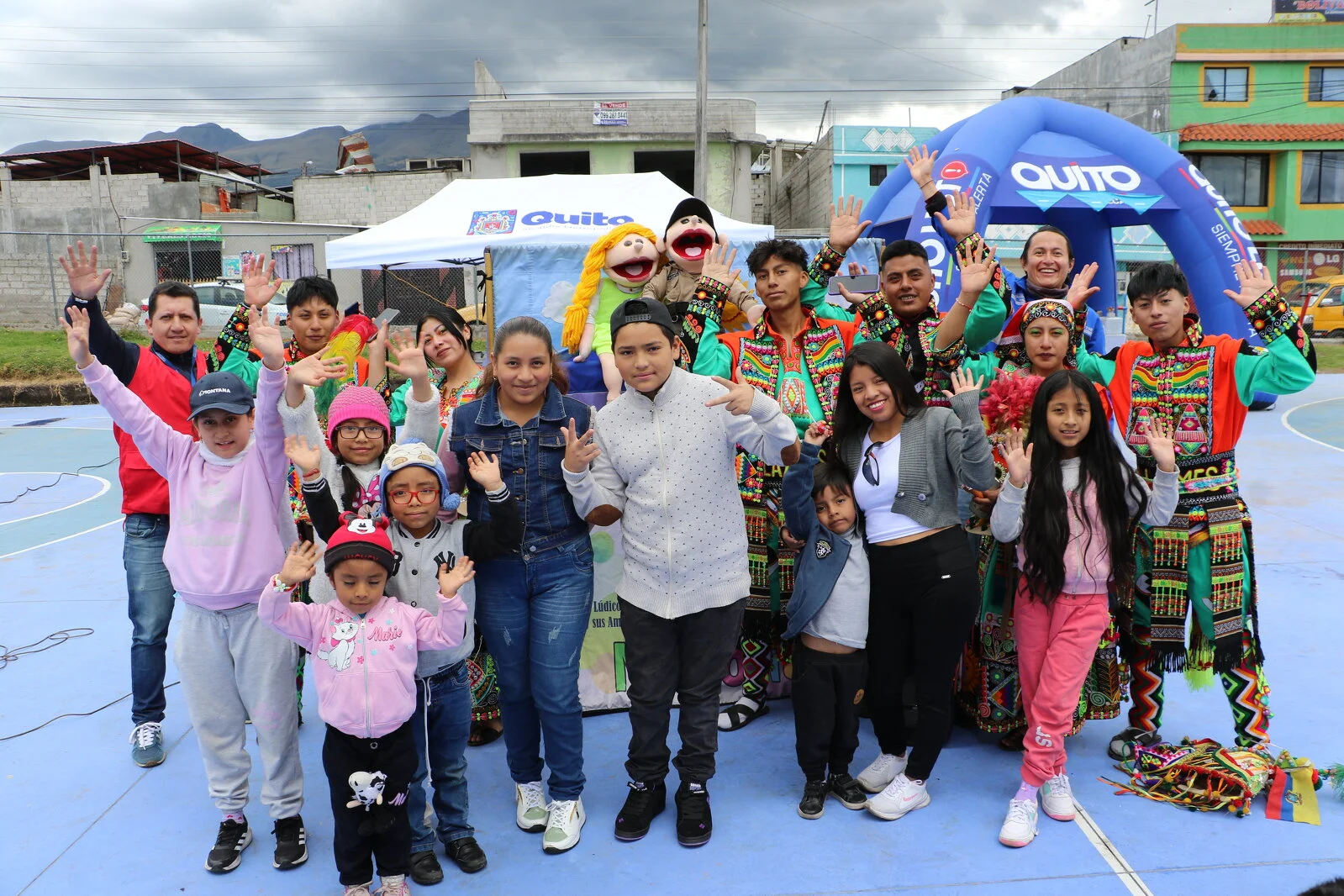
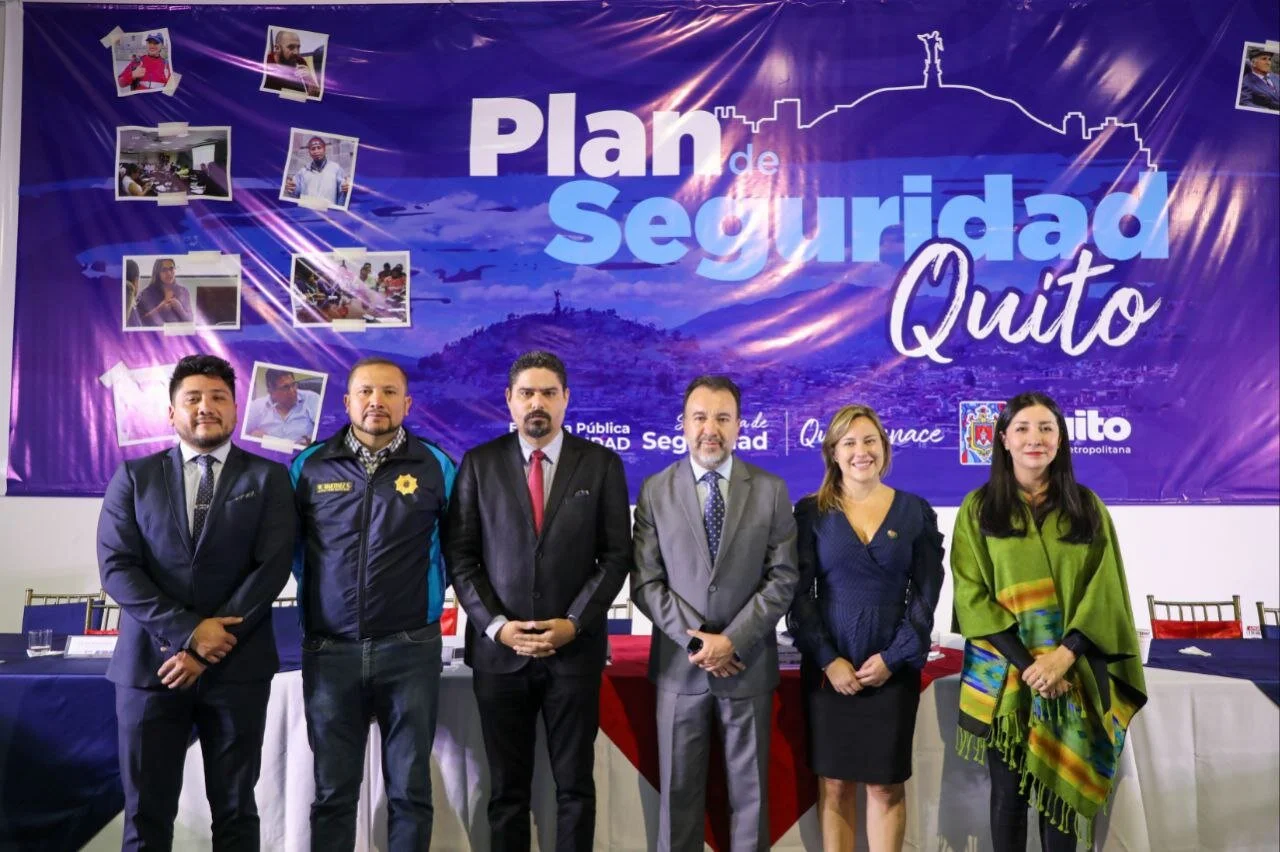
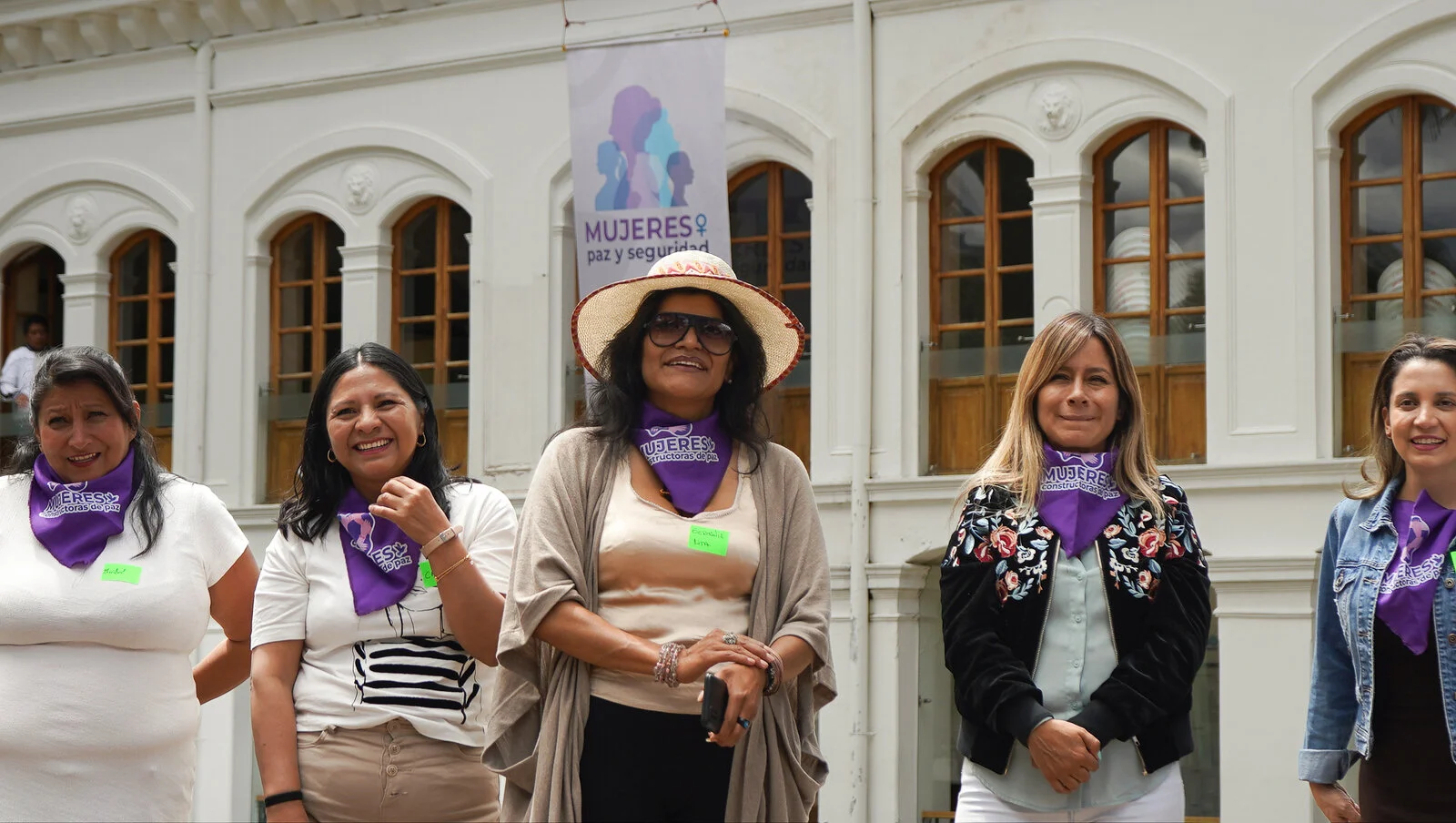
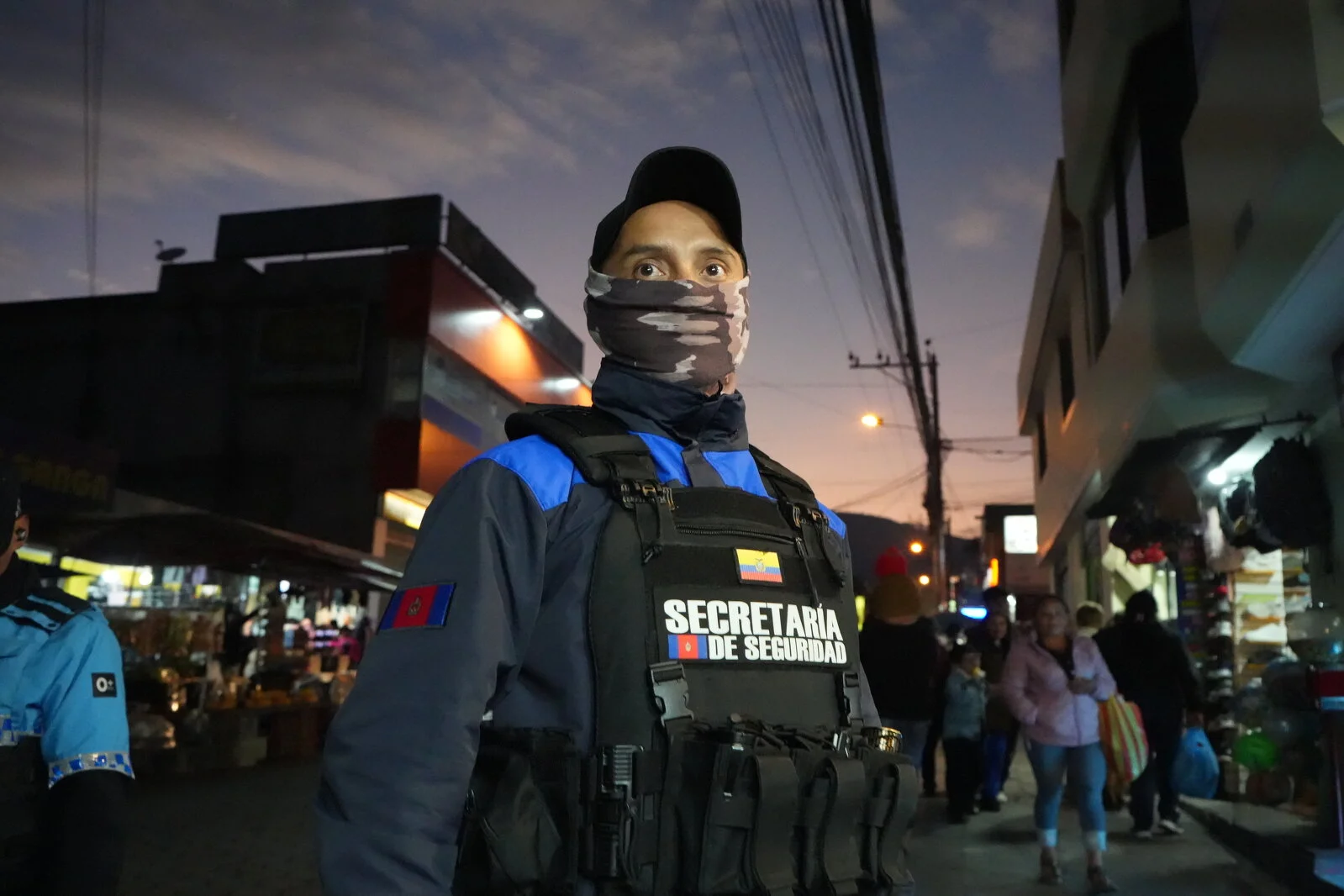
Quito is advancing a comprehensive violence prevention strategy under its Metropolitan Plan for Security and Citizen Coexistence (2023–2027). The city’s approach integrates social prevention, public space recovery, interinstitutional coordination with technology, and community empowerment. Initiatives like Barrios por la Vida and 500+ neighborhood safety committees foster leadership and peaceful coexistence. Programs like Mujeres Constructoras de Paz, Una Vida Libre de Drogas, and Copa Wambras engage women, youth, and children through education, sports, and culture. Mental health services and inclusion initiatives assist at-risk groups. Quito DataHub, 3,200+ coordinated operations, and space recovery actions reinforce safety in public areas. As a result, perceived safety rose from 41% to 50% in streets, parks, and plazas, and from 51% to 62% in neighborhoods (Tándem, 2024–2025). These efforts are reinforced by institutional training, gender-based policies, and the upcoming Metropolitan Strategic Commander Center—underscoring Quito’s commitment to integrated, rights-based governance and sustainable peacebuilding.
Quito faces the challenge of maintaining peace and safety amid Ecuador’s worst security crisis, with national homicide rates surpassing 50 per 100,000. While national responses rely on “iron fist” measures, Quito advances a human security model focused on social justice, violence prevention, peacebuilding, and institutional coordination. Local efforts have helped to reduce and stabilize the city’s rate at 8 per 100,000. Still, violence knows no borders—only sustained, coordinated, and decisive action while protecting community’s rights will prevent its spread and guarantee the city’s long-term stability.
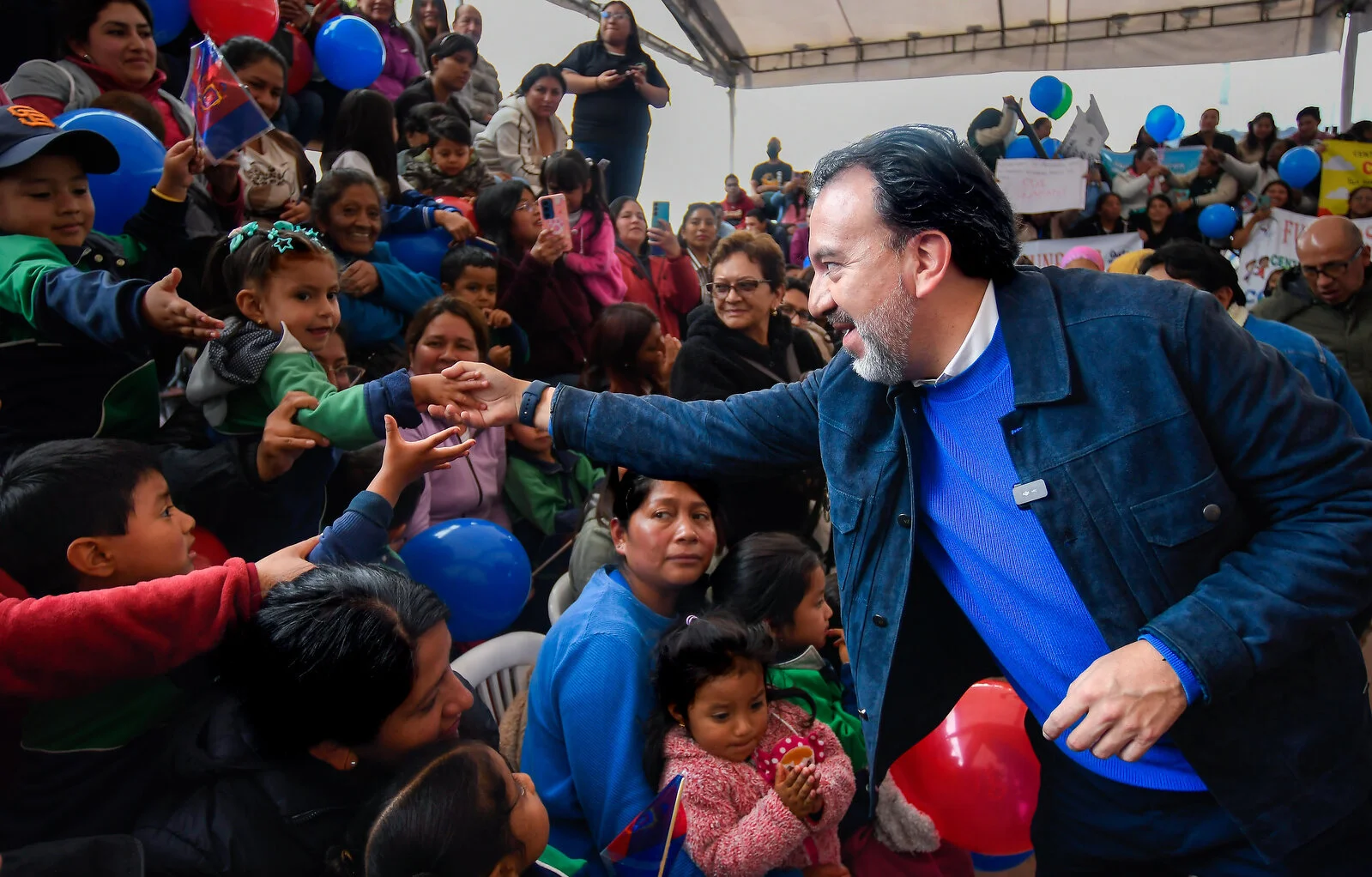
US$ 314.88 million invested in habitat improvement, public safety, and citizen coexistence, including safe pathways, park rehabilitation, public lighting, and Community Police Units (UPCs) in 2024.
Invested in violence prevention through streghtening community organization and local identity.
Improvement of public safety perception in public spaces.
Improvement of public safety perception in neighborhoods.
Average reduction in risk of victimization thanks to the “Cero Acoso” (Zero Harassment) strategy.
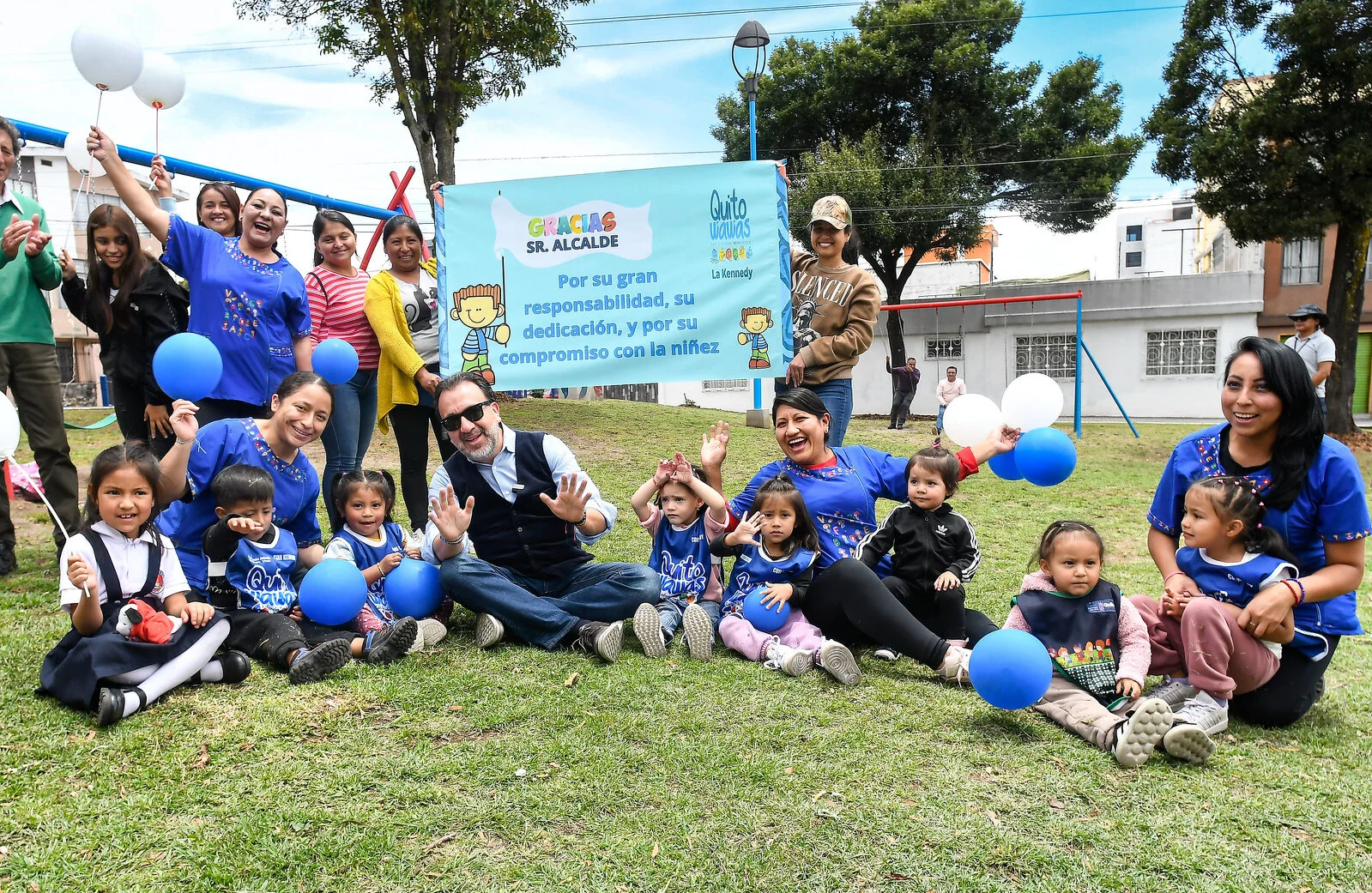
Children involved in peacebuilding through sports.
People participated in community prevention activities between 2023 and 2025.
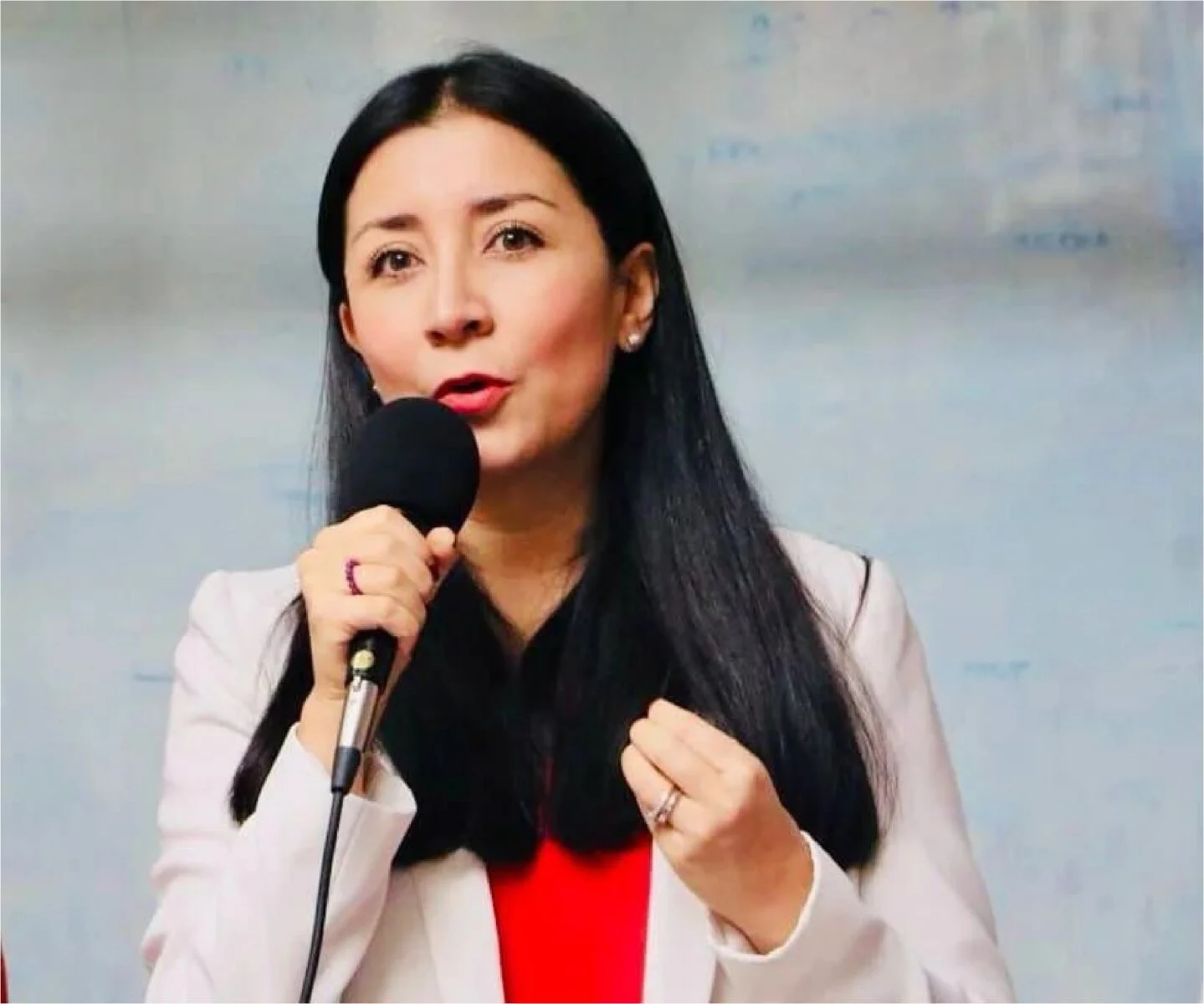
“Being part of the PiOC network strengthens our global commitment to build peace from the ground up. In Quito, we are proving that there are real alternatives to punitive approaches. By investing in prevention, restoring public trust, and prioritizing human security, we protect life with dignity and determination. Beyond fear, we choose to build hope, uphold rights, and foster communities that live in peace.”
Carolina Andrade Quevedo, General Secretary of Security, Quito